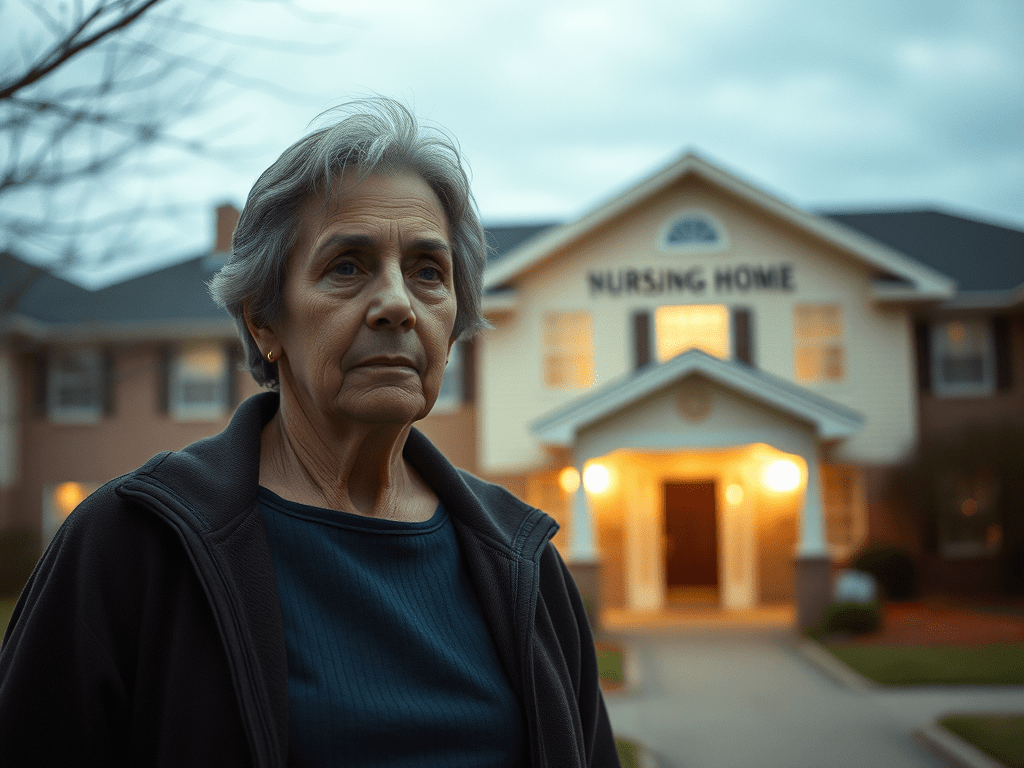
For many, placing a loved one in a nursing home is a difficult decision, made with the expectation of safety, care, and respect. Yet, the horrifying reality of nursing home sexual abuse shatters this trust, leaving victims and their families reeling from unimaginable trauma. If you or someone you care about has been a victim of such egregious acts in a New York or New Jersey facility, it’s crucial to understand your legal rights and the paths to justice.
This isn’t a problem confined to a few isolated incidents. Startling statistics reveal the pervasive nature of nursing home abuse:
- Nearly 2,000 reports of sexual abuse were filed in long-term care facilities in 2023, a significant increase from previous years.
- Disturbingly, only 30% of senior citizens come forward about instances of sexual abuse, meaning the vast majority of cases go unreported due to fear, embarrassment, or cognitive impairments.
- A CNN investigation found that over 1,000 nursing homes received citations for failing to properly handle or prevent sexual assaults.
These numbers paint a grim picture, highlighting a systemic failure to protect our most vulnerable.
The Law: A Shield for the Vulnerable
Both federal and state laws are in place to protect nursing home residents from nursing home sexual abuse. The Vulnerable Adult Law, a federal statute, explicitly makes it illegal for anyone employed in a care facility to have sexual contact with a resident, even if the victim consents. This strict prohibition leaves no room for ambiguity. In New York and New Jersey, nursing homes have a legal duty of care to ensure the safety and well-being of their residents. This includes:
- Thorough background checks for all staff.
- Adequate supervision and training.
- Prompt investigation and reporting of any suspected abuse.
- Implementing policies to prevent abuse.
When a facility fails in these duties, they can be held legally accountable. The legal claims that can be raised in these cases are varied and often include:
- Negligent Hiring: When a nursing home hires staff without proper background checks, leading to an abuser gaining access to residents.
- Sexual Assault: Direct civil claims against the perpetrator and potentially the facility for their role.
- Negligence: Broader claims against the nursing home for failing to provide a safe environment or to protect residents from harm.
It’s important to be aware of the statute of limitations, which dictates the timeframe within which you can file a civil lawsuit. In New York, for nursing home negligence and abuse cases, it’s typically three years from the date of injury.
Seeking Justice: Understanding Cases and Compensation
When nursing home sexual abuse occurs, victims and their families have the right to seek justice and compensation. This isn’t just about financial recovery; it’s about holding negligent parties accountable and preventing further harm to others.
Compensation in nursing home sexual abuse cases typically covers:
- Medical Expenses: Costs related to physical injuries, sexually transmitted infections (STIs), or psychological treatment resulting from the abuse.
- Pain and Suffering: Compensation for the physical discomfort, emotional distress, anxiety, depression, and humiliation endured by the victim.
- Loss of Enjoyment of Life: Acknowledgment of the diminished quality of life and inability to participate in previously enjoyed activities.
- Relocation Expenses: If the victim needs to be moved to a safer facility.
- Punitive Damages: In cases of gross negligence or malicious intent, these damages are awarded to punish the facility and deter similar conduct in the future.
While every case is unique, the average nursing home abuse settlement in the US has been reported around $406,000, with some cases resulting in settlements or verdicts of $1 million or more. These figures highlight the significant impact such abuse has and the potential for substantial recovery.
For example, real-world cases have demonstrated accountability:
- A jury awarded $3.6 million to a victim of sexual assault by another resident due to the nursing home’s failure to monitor a resident with a history of violence.
- In another case, a lawsuit alleged that nursing home staff took nude pictures of a resident and posted them on social media, leading to a claim of abuse and neglect.
- A facility was held liable for hiring a convicted sex offender who subsequently abused a resident, underscoring the critical importance of thorough background checks.
We Can Help
If you suspect nursing home sexual abuse has occurred to a loved one in New York or New Jersey, you don’t have to face this nightmare alone. Our experienced team of nursing home abuse lawyers and nursing home abuse attorneys understands the complexities of these cases and is dedicated to fighting for the rights of victims. We will thoroughly investigate the situation, gather evidence, identify all responsible parties, and work tirelessly to secure the justice and compensation your loved one deserves.
Don’t delay. The sooner you act, the stronger your case can be. Contact us today at (973) 598-1980 or howardgutman@aol.com for a free, confidential consultation to explore your options. We also take many cases on a contingency basis, meaning you don’t pay us any legal fees unless we win your case.*
Sources:
- “Five Alarming Statistics About Sexual Abuse in Nursing Homes” – Kohn Law
- “Nursing Home Abuse Statistics” – Nursing Home Abuse Center
- “Nursing Home Abuse Lawsuit Settlement” – John M. McCabe
- “What to Do if You Suspect Sexual Abuse in a Care Facility” – Shrader & Associates
- “Sexual Abuse in NYC Nursing Homes” – Dalli & Marino
- “Nursing Home Abuse Cases and Settlements” – KBA Attorneys
* While we handle many claims on a contingency basis, no guarantee is made of a particular result. We evaluate each claim individually, and arrangements may vary – these will be set forth in a written agreement. We are happy to discuss our procedures and welcome any questions you may have.
 Law Office of Howard Gutman
Leave a comment